βœ‰ info@aztalan.us | 🌐 aztalan.us
A Story 1,000 Years in the Making

The History of Aztalan

From a thriving Mississippian metropolis to a National Historic Landmark β€” the extraordinary story of one of North America's most significant archaeological sites.

Where a Great Civilization
Once Flourished

Around 900 CE, a group of Mississippian people β€” likely with origins near Cahokia, the great city near modern East St. Louis β€” established a thriving settlement on the banks of the Crawfish River in what is now Jefferson County, Wisconsin.

This settlement, which we now call Aztalan, was no ordinary village. It was a planned community covering what would become 172 acres, enclosed by a massive wooden stockade with regularly spaced bastions. Within its walls, residents built three major platform mounds β€” earthen monuments constructed by hand over many generations, serving as ceremonial centers, elite residences, and expressions of political and religious power.

The people of Aztalan were part of an expansive trade network that reached from the Great Lakes region to the Gulf Coast. Copper from Lake Superior, marine shells from the Gulf, and exotic goods from hundreds of miles away have been found in archaeological excavations here β€” testament to the far-reaching connections of this northern Mississippian outpost.

The settlement flourished for approximately 400 years before being abandoned around 1300 CE. The reasons for the abandonment remain a subject of ongoing scholarly debate β€” climate change, conflict, resource depletion, and changing political dynamics within the broader Mississippian world have all been proposed.
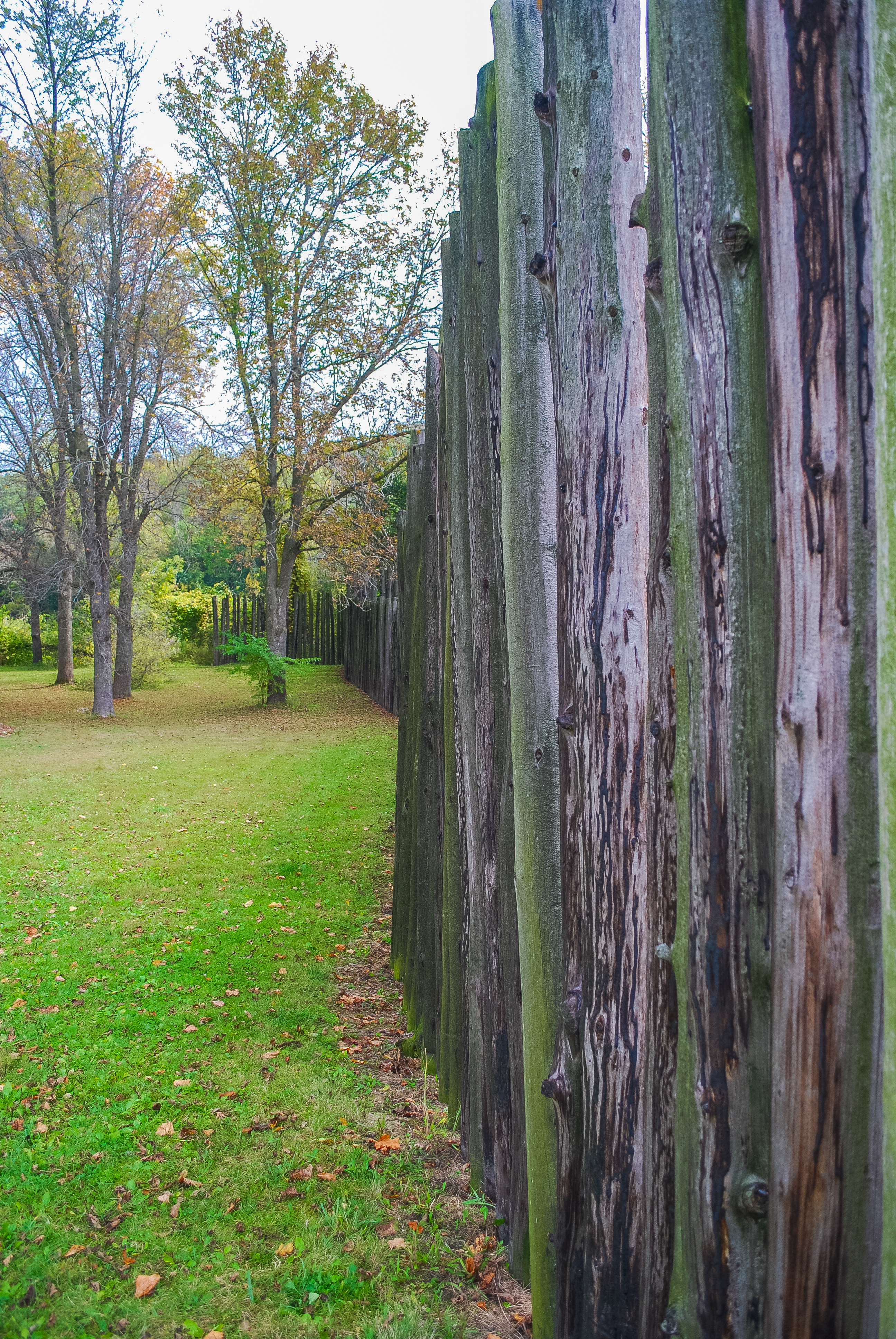
Reconstructed ancient Aztalan village area

The reconstructed area of the ancient Aztalan settlement, showing the scale of this remarkable site.
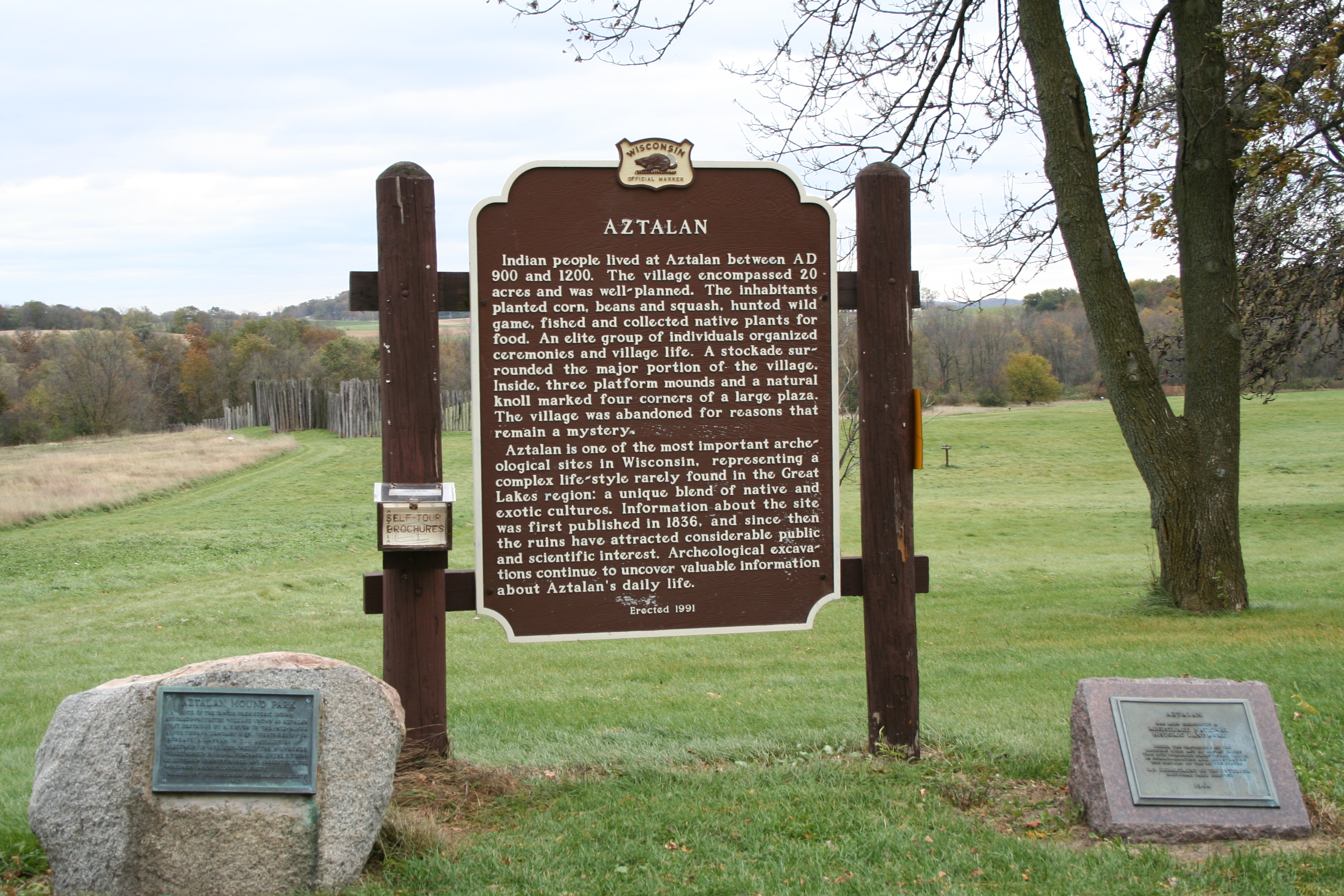
Aztalan State Park entrance sign

The entrance to Aztalan State Park in Jefferson County, Wisconsin.
Historical Milestones

The story of Aztalan spans centuries β€” from its ancient origins to its modern recognition as one of America's most important archaeological sites.

~900 CE

Mississippian Settlement Established

Mississippian people, likely connected to the great city of Cahokia, establish a major settlement on the Crawfish River. Construction of platform mounds and the wooden stockade begins.

~1300 CE

Settlement Abandoned

After approximately 400 years of habitation, the Aztalan settlement is abandoned. The reasons remain debated, but the earthworks and stockade remains are left behind, slowly being reclaimed by the Wisconsin prairie.

1835

Timothy Johnson Discovers the Ruins

European-American settler Timothy Johnson encounters the earthworks and stockade remains, becoming the first to document the site in the era of American settlement. His discovery sparks early interest in the ruins.

1850

Increase A. Lapham Surveys for the Smithsonian

Renowned Wisconsin naturalist and archaeologist Increase A. Lapham conducts a formal survey of the Aztalan earthworks for the Smithsonian Institution, publishing his findings and establishing the site's scientific importance.

1919–1920

First Archaeological Excavations

The Milwaukee Public Museum conducts the first systematic archaeological excavations at Aztalan, uncovering artifacts, features, and evidence of the site's Mississippian culture origins and connections to Cahokia.

1922

Citizens Purchase the Mounds

Concerned citizens purchase the mound area and surrounding land to protect it from development. The site is designated "Mounds Park" β€” a precursor to its eventual state park status.

1947

Wisconsin Legislature Acts

The Wisconsin State Legislature passes legislation to formally create Aztalan State Park, ensuring permanent protection for the archaeological site under state management.

1952

Opens as Aztalan State Park

Aztalan State Park officially opens to the public, offering visitors access to the ancient mounds, earthworks, and natural beauty of the Crawfish River corridor for the first time as a managed public site.

1964

National Historic Landmark Designation

The federal government designates Aztalan a National Historic Landmark β€” the highest recognition for archaeological and historic sites in the United States β€” affirming its exceptional national significance.

1966

National Register of Historic Places

Aztalan is added to the National Register of Historic Places, providing additional legal protections and affirming the site's enduring historical and cultural significance.

1968

Stockade Reconstructed

Using original post holes identified during archaeological excavations, crews reconstruct a section of the ancient wooden stockade β€” giving visitors a tangible sense of the community that once lived within its walls.

1990s–Present

Friends Group Formed

Friends of Aztalan State Park Inc. is established to provide charitable and educational support for the park. The organization grows to sponsor tours, research, events, and a major Visitor Center capital campaign.

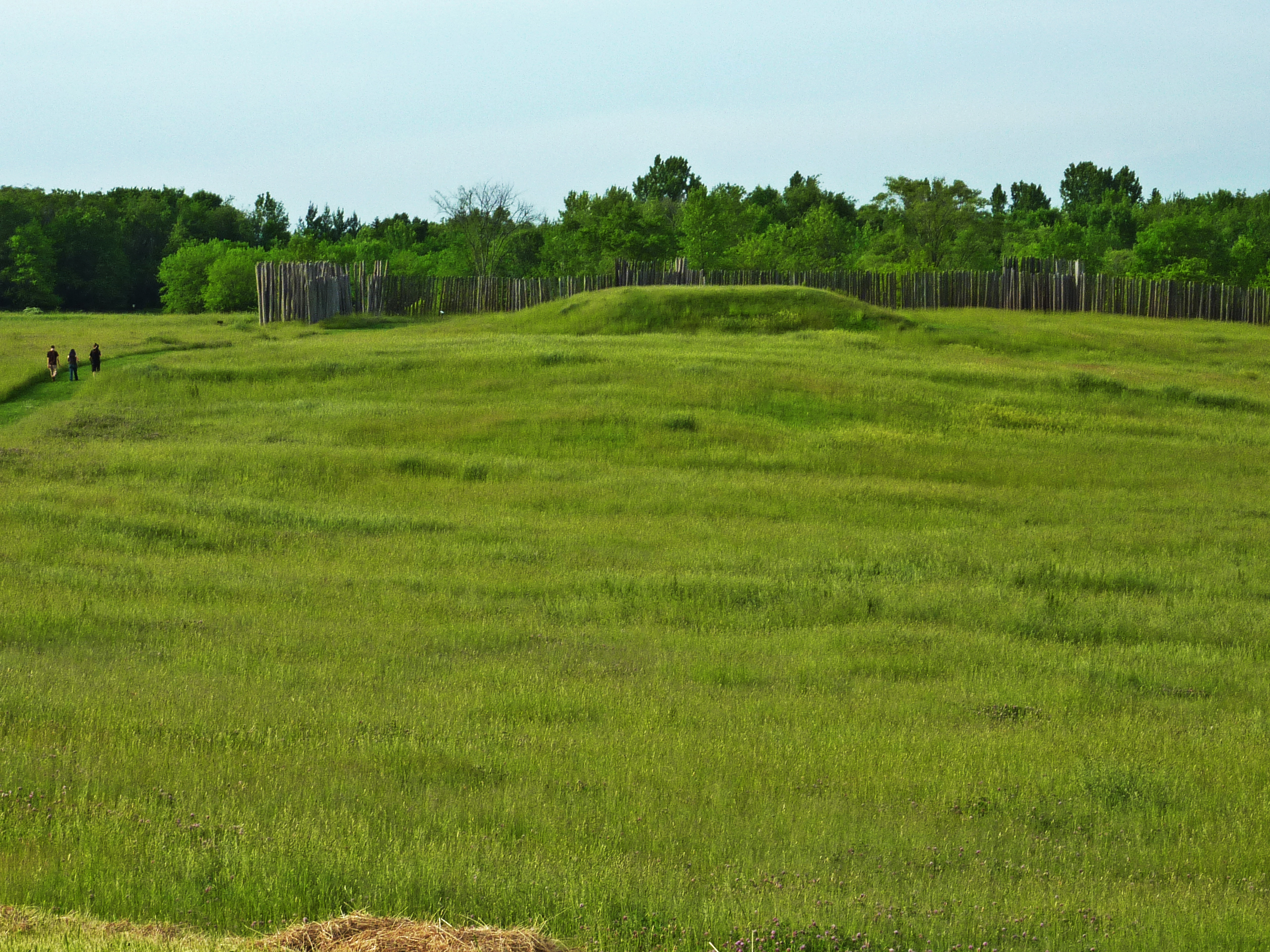
Platform mound at Aztalan State Park

One of Aztalan's three major platform mounds, built entirely by hand by Mississippian people.

Archaeological Significance

Aztalan is Wisconsin's most significant archaeological site and one of the most important in the entire upper Midwest. It represents the northernmost major expression of Mississippian culture β€” the sophisticated civilization that built Cahokia, the largest pre-Columbian city north of Mexico.

πŸ”οΈ

Three Major Platform Mounds

Constructed entirely by hand, the mounds served as ceremonial platforms, elite residences, and civic monuments β€” the defining architectural achievement of Mississippian culture.

πŸ›‘οΈ

Reconstructed Wooden Stockade

The reconstructed palisade wall β€” built using original post hole evidence β€” demonstrates the scale and sophistication of Aztalan's defensive architecture.

πŸ”—

Extensive Trade Connections

Artifacts from Gulf Coast shells to Lake Superior copper demonstrate that Aztalan was a node in a vast continental trade network stretching thousands of miles.

πŸ”­

Ongoing Research

Aztalan continues to yield new discoveries. Archaeological research supported by the Friends group advances our understanding of this remarkable site and its people.

1964
National Historic
Landmark
1966
National Register of
Historic Places
1952
Wisconsin
State Park

One of America's Most Significant Archaeological Sites

Aztalan State Park holds the dual distinction of National Historic Landmark and listing on the National Register of Historic Places β€” recognitions that underscore the exceptional importance of protecting and interpreting this irreplaceable resource.